
The Beginning
Early 1990s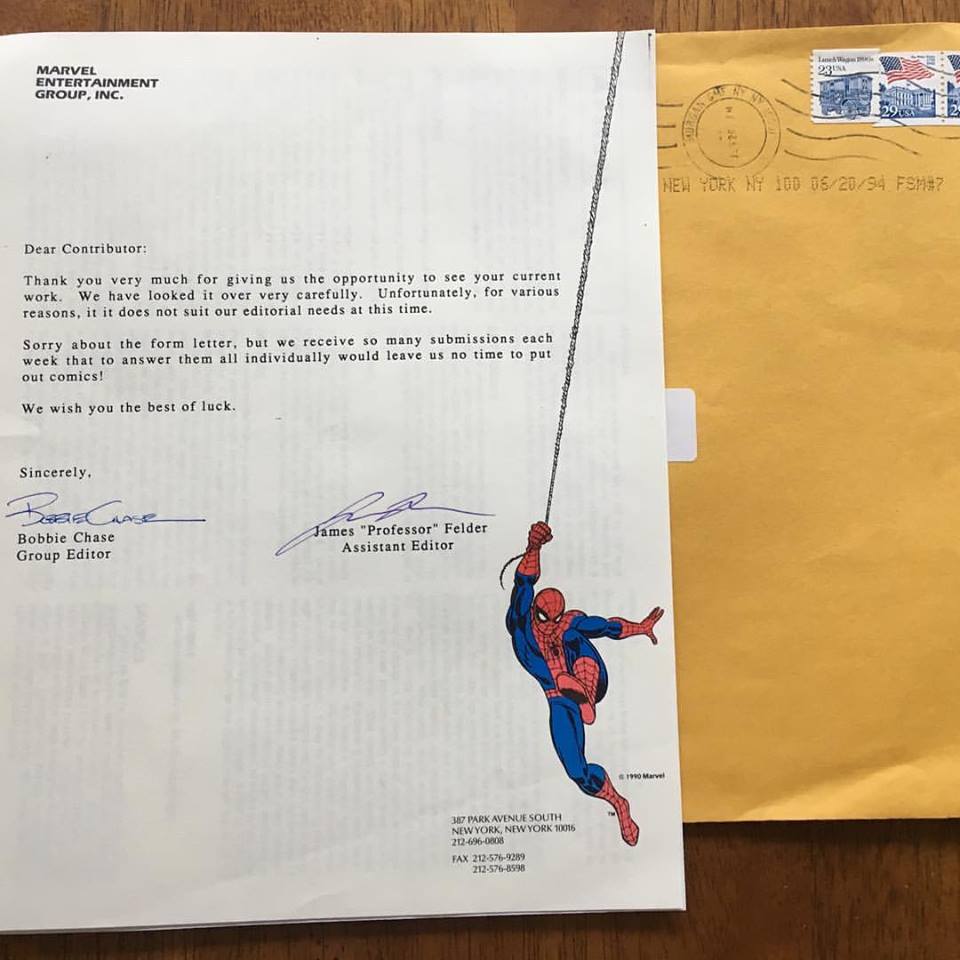
One of the rejection letters received before Section 12 found its first publisher.
Rejected, Redirected, and Recharged
Back in the early 1990s, Len Mihalovich did what many aspiring comic writers did: he sent submissions to the major comic companies and waited for the rejection letters to arrive.
Most of those responses were standard form letters. One editor at Dark Horse Comics, however, took the time to offer real advice. Instead of trying to break into Marvel or DC immediately, Len was encouraged to build a portfolio, gain experience, and work with smaller publishers first.
Rather than giving up, Len began writing for comic fanzines, reviewing independent comics, and taking on small writing assignments while developing his own original characters and stories. During this period he created Section 12, a series built around government experiments, scientific disasters, and super-powered individuals who had become society's unwanted mistakes.
Finding a publisher in the pre-internet era was not easy. While reading Comic Buyer's Guide, Len spotted a classified advertisement from a small independent publisher called Dilemma Productions. A submission package was mailed, the Section 12 script was accepted, and the series finally found its first home.
Dilemma Productions
1993 - 1994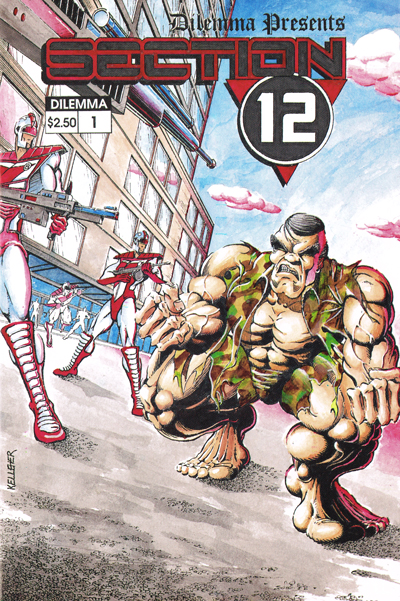
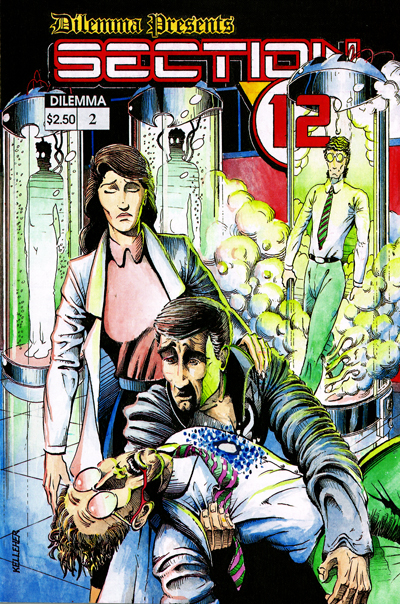
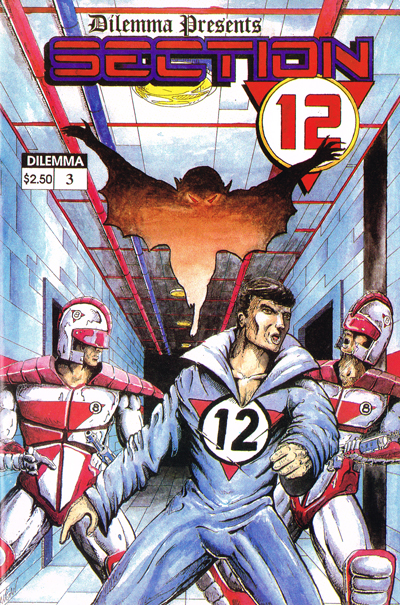
Section 12 Finds Its First Home
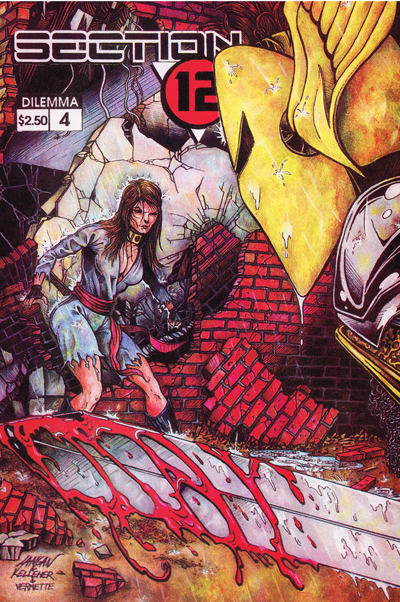
Len submitted Section 12 to a small number of independent publishers. Dilemma Productions, which at the time produced a title called Legend Killer, responded quickly. Publisher Michael Kelleher was impressed enough with the Section 12 script that he agreed to divide Legend Killer and Section 12 into an anthology format called Dilemma Presents.
The first issue was completed in 1993 and reached comic shops in 1994. Dilemma Presents ran for four issues, featuring Section 12 with artwork by Michael Kelleher and Dan Langan.
The series found an audience in the small-press scene. It drew attention from readers, critics, and even a little international fan mail. The team at Dilemma enjoyed a brief taste of 1990s indie-comic success, where people had heard of the comics even if finding them in stores was another adventure entirely.
View Askew and Chasing Amy
Indie comics in the wildThe Time Section 12 Crossed Paths With Hollywood
During the Dilemma Productions years, creators Michael Kelleher and Len Mihalovich received an unexpected phone call from View Askew Productions. The Dilemma team was invited to travel to New Jersey, spend time on the set of Kevin Smith's Chasing Amy, and appear as extras in the movie.
Crossing paths with the cast and crew of a film that would later become a cult classic among comic fans was a once-in-a-lifetime experience. It was also one of those memorable moments that perfectly captured the spirit of the 1990s independent comic scene, where small press creators, comic conventions, and emerging filmmakers often crossed paths.
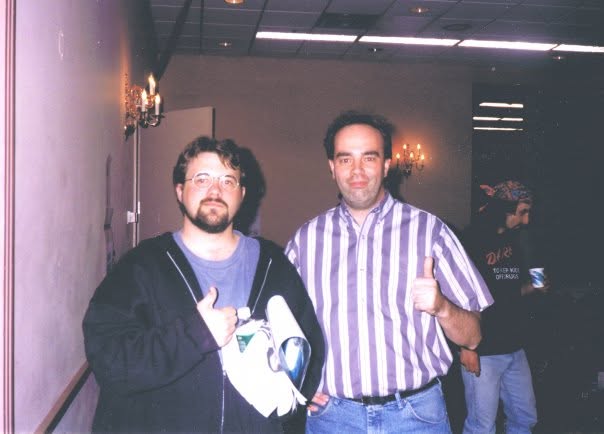
Len Mihalovich with Kevin Smith during the Chasing Amy era.
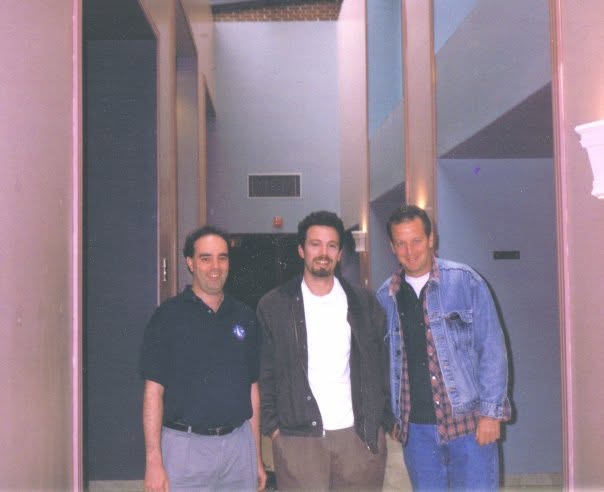
Len Mihalovich with Ben Affleck while visiting the set of Chasing Amy.
Mythic Comics
1997- The crash that changed everything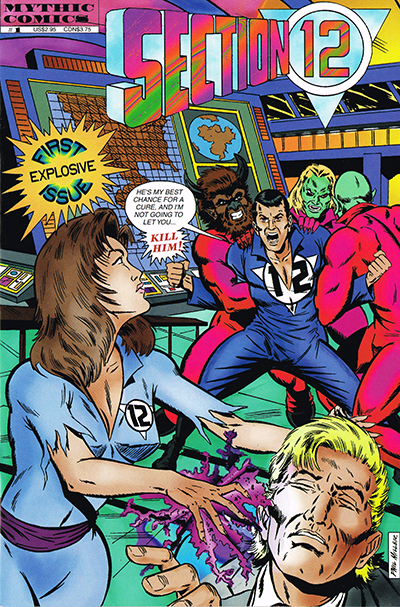
Section 12 Finally Gets Its Own Series
In September 1997, Canadian publisher Mythic Comics released Section 12 #1, featuring artwork by Phil Miller. For the first time, Section 12 appeared as a standalone comic rather than as part of an anthology title.
The issue received positive reviews and generated enough distributor orders for Mythic to move forward with a second issue. After years of effort, it finally looked like Section 12 had found a long-term home.
The Distributor Collapse
Unfortunately, the comic market of the late 1990s was changing fast. Distributor failures and industry instability hit many small publishers hard, and Mythic Comics became one of the casualties.
Section 12 #2 was green-lit, solicited, and nearly ready for publication, but the company closed before it could be printed. One of Mythic's final official acts was returning the original Section 12 artwork to Len Mihalovich.
Issues #2 and #3 eventually appeared in ashcan and mini-comic formats at select conventions, but the full continuation of the series would have to wait many years before the stories were restored, colored, and completed through Section 12 (Flashback).
Independent Universe Collector Cards
Late 1990s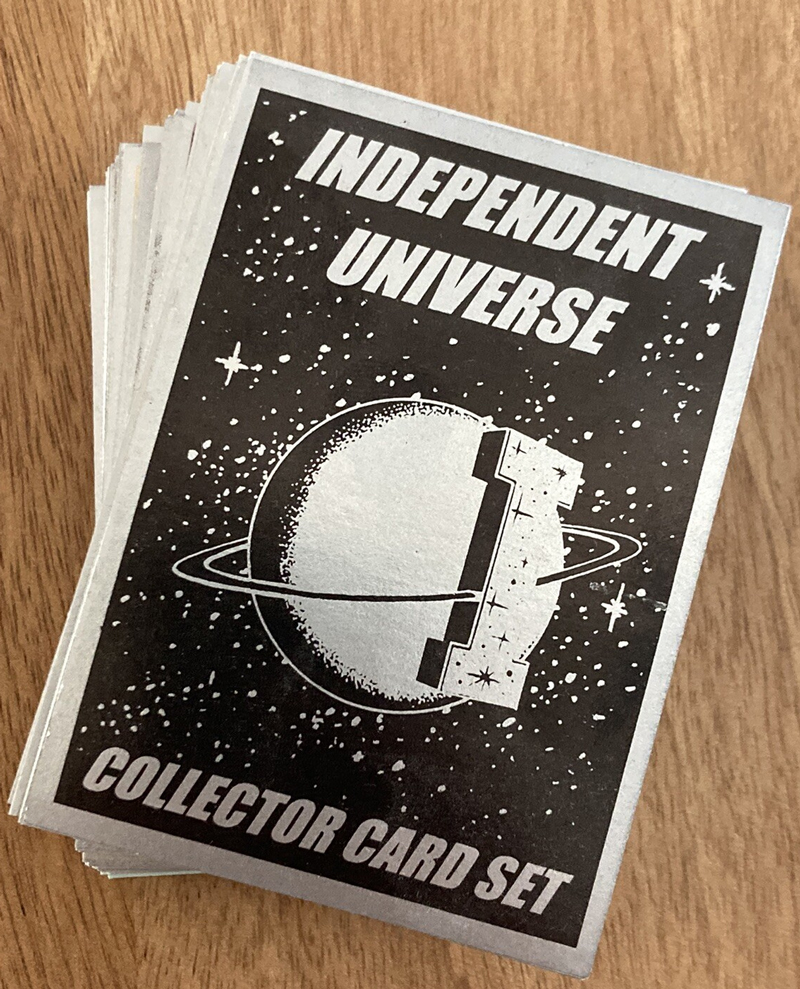
Building an Independent Universe
During the late 1990s independent comics boom, Michael Kelleher and Len Mihalovich launched the Independent Universe Collector Card Set. The project brought together characters and creators from numerous independent publishers into a single trading card release.
At a time when independent creators rarely had the marketing reach of larger publishers, the card set provided a way for readers to discover new characters and series from across the small press community. Participating creators submitted artwork and character information, helping to create a snapshot of the independent comics scene of the era.
The response exceeded expectations. The first card set sold out so quickly that a second series was produced the following year, expanding the roster of creators and characters represented in the project.
Long before social media made networking easy, projects like the Independent Universe Collector Card Set helped creators cross-promote their work, build relationships, and introduce readers to books they might otherwise never have discovered.
The card sets remain a unique piece of independent comics history and reflect the collaborative spirit that helped many small press creators survive and grow during the 1990s.
The Lost Years
Hiatus
Stepping Away Without Letting Go
After the collapse of those early publishing opportunities, life moved in a different direction. Len started a family, built a career outside of comics, and stepped away from creating new issues of Section 12.
The creative side never disappeared. During this period, Len began developing websites and learning the digital production skills that would later become essential to the revival of Section 12. Working with original artist Phil Miller, he taught himself how to digitally color comic artwork and modernize traditionally drawn pages for a new generation of readers.
He also launched The Independent Universe, a website dedicated to reviewing and promoting independent comics. Rather than focusing on criticism, the site's mission was to spotlight emerging creators, encourage new talent, and help readers discover books they might otherwise overlook.
While no new Section 12 stories were being published, the characters and unfinished storylines were never forgotten. The goal gradually evolved from simply continuing the series to eventually bringing it back in full color with modern digital production while preserving the spirit of the original comics.
The years away from publishing turned out to be preparation. The skills, relationships, and experience gained during this period would eventually make the return of Section 12 possible.
Track Suit Man
2013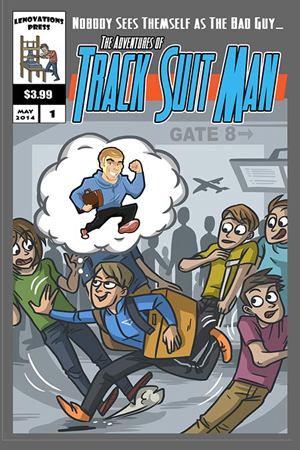
The Most Unexpected Road Back To Comics
In 2013, Len traveled every week for work. Every Monday he boarded the same early morning flight and saw many of the same passengers. One traveler, remembered only as "Track Suit Man," became infamous for carrying too many bags, cutting lines, bending airport rules, and somehow always getting away with it.
What started as a series of humorous social media posts quickly developed a following of its own. Friends and fellow creators looked forward to the weekly updates, sharing their own stories and reactions to the latest airport adventure. The stories eventually gained national attention when they were featured by SFGate as part of the growing "Passenger Shaming" phenomenon, exposing the Track Suit Man stories to a much larger audience.
Among those following along was longtime friend and former Dilemma Productions publisher Michael Kelleher. Seeing the popularity of the stories, Mike repeatedly encouraged Len to turn the ongoing saga into a comic book. What began as a joke slowly became a serious idea.
With Mike's encouragement and support, The Adventures of Track Suit Man #1 was released the following year. To publish it, Len created Lenovations Press, assembled a creative team, and handled much of the digital production and prepress work himself.
Looking back, Track Suit Man became far more than a humorous comic about airport travel. It marked Len's return to independent comics as a publisher, led to the creation of Lenovations Press, and ultimately opened the door for the return of Section 12.
The Return of Section 12
Flashback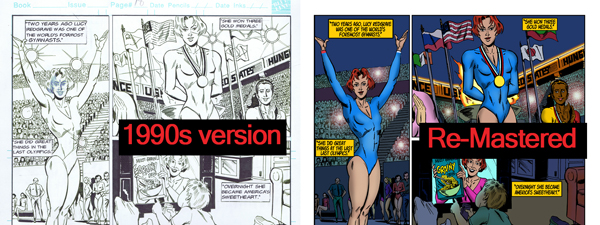
Restored, Recolored, and Reintroduced
Once Lenovations Press was up and running, old comic friends began asking the question that had always been waiting in the background: why not bring back Section 12?
Len still had many stories from the 1990s that deserved to be published, but updating them to the modern day removed part of their charm. Since he was now the publisher, there was no reason to force the original stories into the present.
The solution was Section 12 (Flashback): the original adventures, presented in color, restored and finished for modern readers while keeping their 1990s setting and spirit intact.
A Modern Section 12
Declassified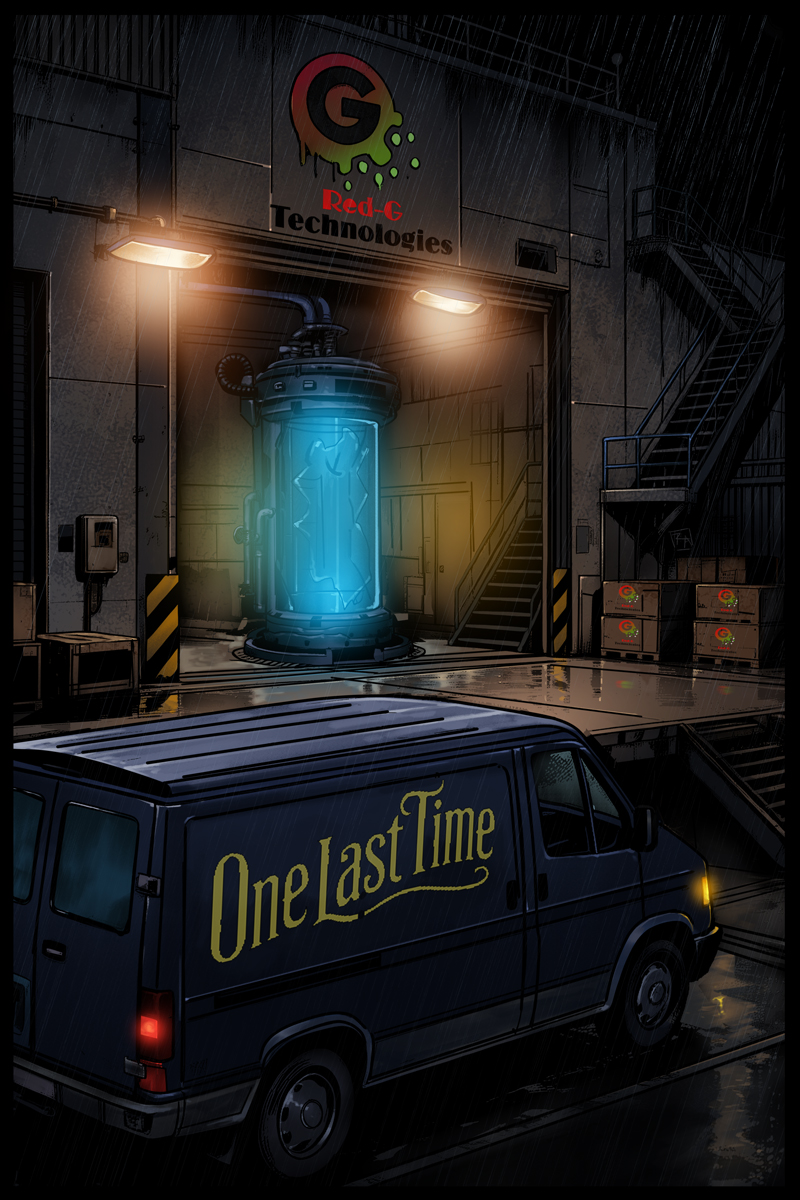
Over Twenty Years Later
When it came time to bring Section 12 back, Len faced a difficult decision. He wanted stories set in the modern day, but he had no interest in simply updating the original adventures with smartphones, GPS, social media, and other modern technology.
Instead, he asked a different question: What happened after the original series ended?
The answer became Section 12 (Declassified), a new series set more than twenty years after the events of the original stories. In this era, Section 12 has vanished. The facility is gone. The technology is gone. All the heroes, villains, and scientific breakthroughs have seemingly disappeared without a trace.
A new cast of characters begins uncovering clues hidden throughout the modern world. Their investigation leads them toward forgotten experiments, missing people, and secrets that powerful organizations would rather keep buried.
What began as a mystery gradually unfolds to reveal the missing history of Section 12, connecting the original comics, lost adventures, and modern stories into a single ongoing narrative.
Understanding the Section 12 Universe
Reading guide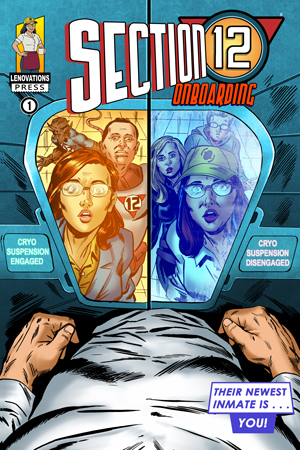
Onboarding
The fastest way for new readers to understand the universe, characters, and core mystery.
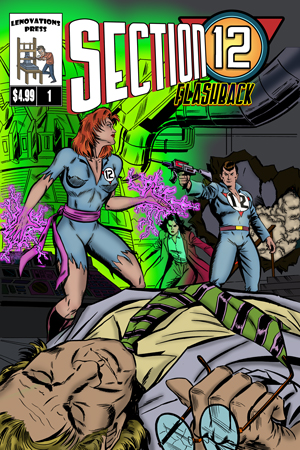
Flashback
The restored 1990s timeline, presented in color while preserving the original setting.
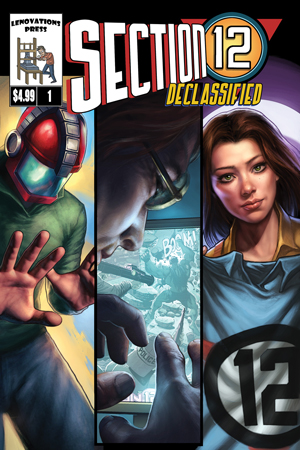
Declassified
The modern-day story of what happened after Section 12 vanished from history.
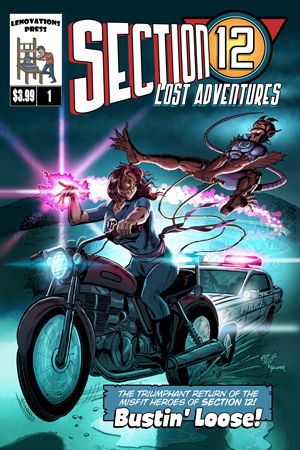
Lost Adventures
Stories planned during the original small-press era, finally completed for modern readers.
The Story Continues
Section 12 survived rejection letters, publisher changes, distributor collapse, a long hiatus, and the strange road back through Track Suit Man. Today, the universe continues through new comics, restored editions, collected volumes, and modern adventures.